
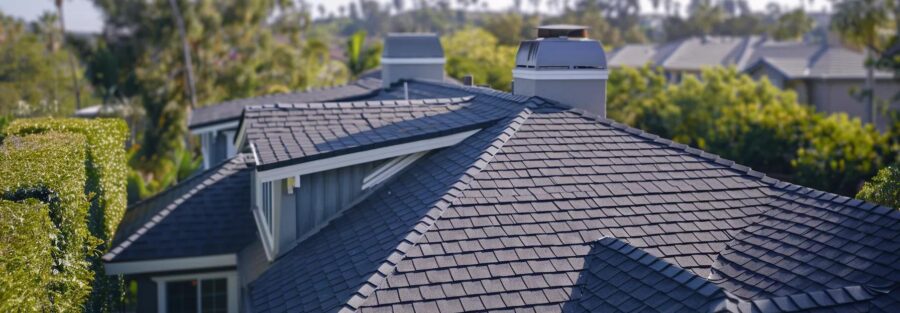
Choosing the right commercial roofing contractor can safeguard a business’s investment, ensure code compliance, and extend a roof’s lifespan. In Los Angeles’s unique climate—with intense sun, periodic rain, and seismic considerations—selecting an expert roofing partner is essential. This guide walks through material options, vetting steps, city regulations, and best practices to help decision-makers engage the ideal team.
Understand the Scope of Commercial Roofing Services
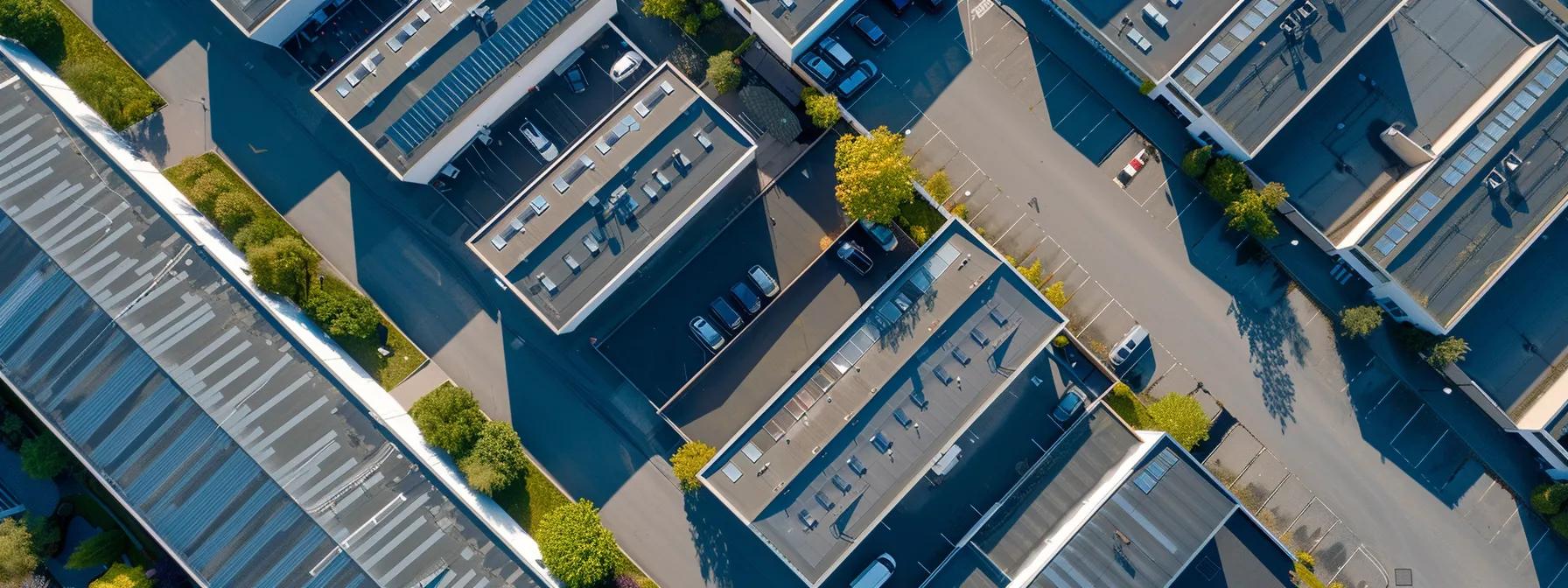
Commercial roofing covers a spectrum of systems designed for flat or low-slope buildings, including warehouses, offices, retail centers, and industrial facilities. Services typically span new roof installations, preventive maintenance, leak detection, wholesale replacement, and post-storm repairs.
A business owner should clarify whether a contractor specializes in their building type. For example, a company focusing on EPDM and TPO membranes might not excel at metal roofing or green-roof installations. Proper alignment ensures efficiency and quality results. Explore commercial roofing contractors Los Angeles to compare service portfolios.
Roofing Systems and Material Options
Navigating material choices demands understanding each system’s performance in Southern California’s sun and occasional heavy rain. Factors include thermal resistance, puncture resistance, fire rating, and ease of maintenance.
|
Roofing System
|
Approx. Cost per sq. ft.
|
Expected Lifespan
|
Key Benefit
|
|---|---|---|---|
|
TPO (Thermoplastic)
|
$5.00 – $7.50
|
20–30 years
|
Heat-reflective, weld-seamed
|
|
EPDM (Rubber)
|
$4.00 – $6.00
|
15–25 years
|
Low cost, puncture-resistant
|
|
PVC (Vinyl)
|
$6.00 – $8.50
|
20–30 years
|
Chemical-resistant, durable
|
|
Built-Up Roofing
|
$3.50 – $5.50
|
20–30 years
|
Multi-ply durability, cost-effective
|
|
Metal Roofing
|
$7.00 – $12.00
|
30–50 years
|
Long lifespan, recyclable
|
Selecting the right membrane influences energy efficiency, maintenance frequency, and warranty terms. Local installers often offer bundled maintenance plans that optimize roof health during Los Angeles’s dry and wet seasons.
Key Considerations Before Hiring
Before engaging any contractor, a prospective client must verify foundational requirements: licensing, insurance, bonding, local code expertise, and safety systems.
Licensing, Insurance, and Bonding
California’s Contractors State License Board (CSLB) mandates that commercial roofers carry a C-39 roofing license. Active licensing status can be confirmed through CSLB’s online portal.
Contractors should carry general liability insurance ($1M minimal) and workers’ compensation coverage. Bonding protects clients if a roofer fails to complete work or meet financial obligations. Always request certificates of insurance.
Experience and Specialization
A firm’s portfolio reveals its expertise. For instance, a contractor boasting decades of flat-roof installations in LA’s downtown core signals familiarity with high-rise parapet details and city building permits.
Clients should ask for case studies demonstrating:
-
Successful installations on similar properties
-
References from local businesses
-
Photos of completed projects
This process helps narrow down competent teams.
Compliance with Local Codes and Safety Standards
Los Angeles enforces stringent building codes, including seismic bracing requirements and water management protocols. Contractors must adhere to:
-
LA City Municipal Code Title 91 (building regulations)
-
OSHA fall-protection standards
-
NFPA fire-resistance guidelines
Verification of compliance can prevent costly rework and liability issues.
How to Vet and Choose a Commercial Roofer
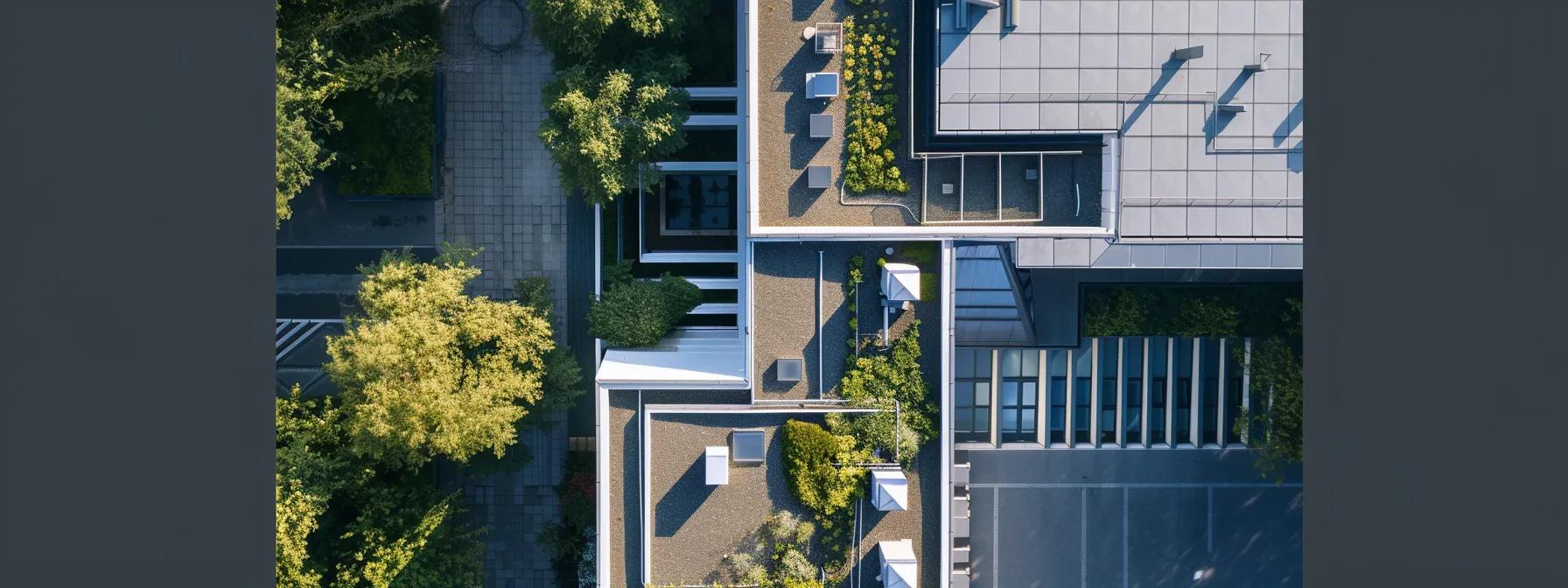
An effective vetting process combines objective criteria and interpersonal evaluation. A transparent contractor will welcome detailed questioning.
Pre-Qualification Checklist
|
Vetting Criterion
|
What to Verify
|
|---|---|
|
Legal Credentials
|
Active CSLB license, bonding certificate
|
|
Insurance
|
General liability, workers’ comp
|
|
Project Portfolio
|
Case studies, client references
|
|
Warranty Terms
|
Manufacturer vs. labor warranties
|
|
Safety Procedures
|
Written safety plan, OSHA records
|
|
Local Expertise
|
Permit history in LA, zoning knowledge
|
These checkpoints empower a client to make data-driven comparisons, ensuring the selected roofer aligns with project complexity. For emergency fixes and ongoing maintenance, consider roof repair in Los Angeles, CA.
Requesting Detailed Proposals
Proposals should include:
-
Scope of work with material specifications
-
Project timeline with milestone dates
-
Payment schedule tied to deliverables
-
Equipment and site logistics
-
Waste-management plan
A robust proposal offers clarity, reduces change orders, and establishes a transparent foundation for the contractor–client relationship.
LA Roofing Contractor Tips for Business Owners
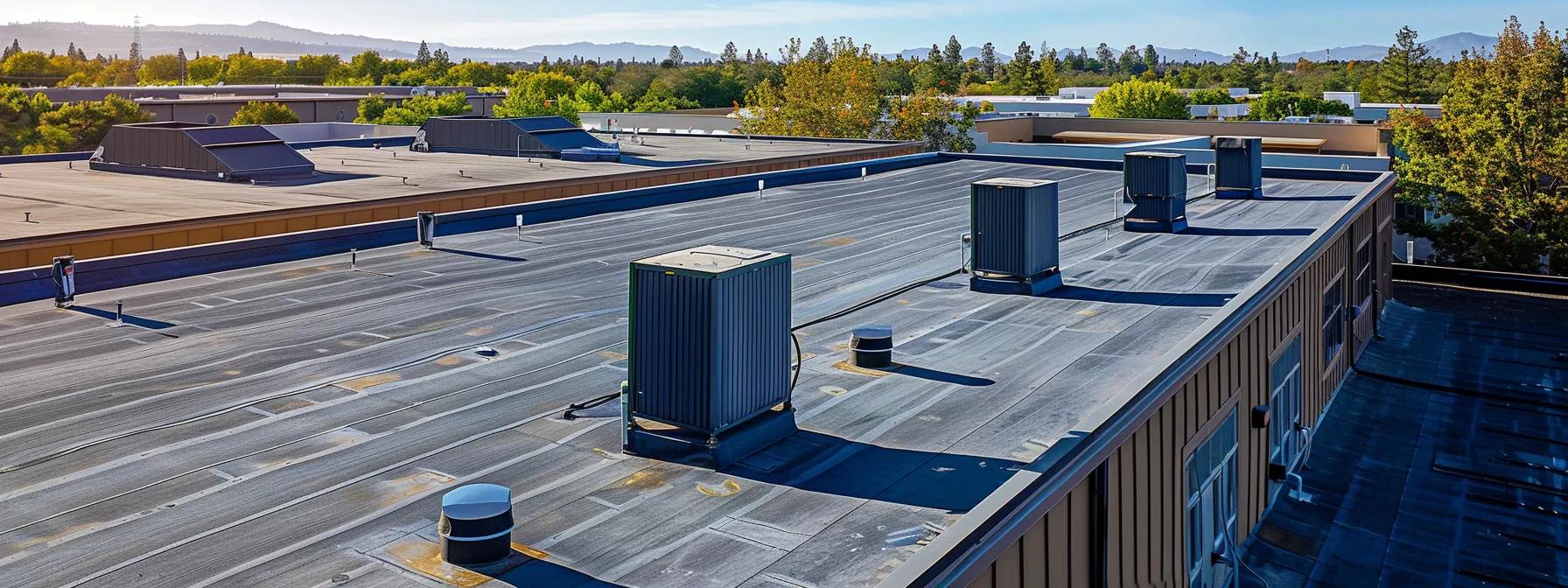
Securing a successful roofing project in Los Angeles involves strategic planning and open communication.
Align Project Timing with Weather Patterns
Los Angeles’s rainy season typically spans November through March. Scheduling major installations in late spring or early summer minimizes weather-related delays and allows for proper membrane curing.
Emphasize Energy Efficiency
Many commercial properties leverage cool-roof coatings or reflective membranes to lower HVAC loads. Incentive programs through LADWP and California’s energy–efficiency rebates can offset upfront costs.
Prioritize Preventive Maintenance
A proactive maintenance contract—covering biannual inspections, drain cleaning, and minor seal repairs—can extend a roof system’s lifespan by up to 30% and prevent costly leaks during seasonal storms. Explore options for full overhaul via roof replacement in Los Angeles.
Foster Clear Communication
Assign a project manager on both sides. Regular site meetings, photo documentation, and a shared online dashboard streamline updates and address issues before they escalate.
Common Pitfalls to Avoid
Even experienced building owners can stumble when vetting roofing services. Key mistakes include:
-
Choosing lowest bid without scope clarity
-
Ignoring local permit requirements
-
Overlooking membrane compatibility with rooftop equipment
-
Failing to confirm warranty coverage duration
Avoiding these traps preserves budget and schedule integrity.
Questions to Ask Potential Contractors
During interviews, the client should pose targeted questions:
-
“Can you provide proof of CSLB license and insurance?”
-
“How do you handle unforeseen site conditions?”
-
“What warranty coverage do you offer on labor and materials?”
-
“Which project management tools do you use?”
-
“Can you share recent references in the LA metro area?”
Answers reveal responsiveness, organization, and local proficiency.
Conclusion
Selecting a reliable commercial roofing contractor in Los Angeles demands careful vetting, knowledge of material performance, adherence to local codes, and transparent proposals. Leveraging detailed checklists and strategic timing ensures that businesses secure optimal value and roof longevity.
Discover why local enterprises trust ECO Roofing LA for comprehensive commercial roofing solutions. Ready to discuss your project? Reach out via our contact page.
Frequently Asked Questions
1. What licenses should a commercial roofing contractor hold in Los Angeles?
Contractors must have an active C-39 roofing license from the CSLB, along with general liability and workers’ compensation insurance.
2. How long does a typical commercial reroof project take?
Project durations vary by roof size and system type. Small retail buildings often finish in 1–2 weeks; larger warehouses may require 3–6 weeks.
3. What warranties are standard for commercial roofing?
Manufacturers commonly offer 10–20 year membrane warranties. Labor warranties from contractors usually span 1–5 years, based on service level.
4. How should a business address unexpected roof damage mid-project?
A clear change-order process—documented in the contract—allows verification of extra costs and schedule impacts before proceeding.
5. What ongoing maintenance practices maximize roof lifespan?
Biannual inspections, drain and gutter cleaning, sealant renewal around penetrations, and immediate repair of membrane tears extend service life.