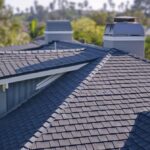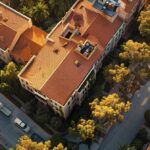
Los Angeles is renowned for its sun-drenched days and mild winters, but these seemingly benign conditions can take a significant toll on commercial roofing systems. Facility managers and property owners need to understand how prolonged exposure to heat, ultraviolet (UV) radiation, humidity swings, and seasonal rain can degrade roofing materials, shorten service life, and drive up maintenance costs.
Proper knowledge of climate-induced roof stressors empowers decision-makers to choose the right materials, schedule timely repairs, and partner with experienced professionals. Below is an in-depth analysis of the key climatic factors in Los Angeles, their effects on commercial roofs, typical material lifespans, and proactive strategies for preservation.
Overview of Los Angeles Climate Factors
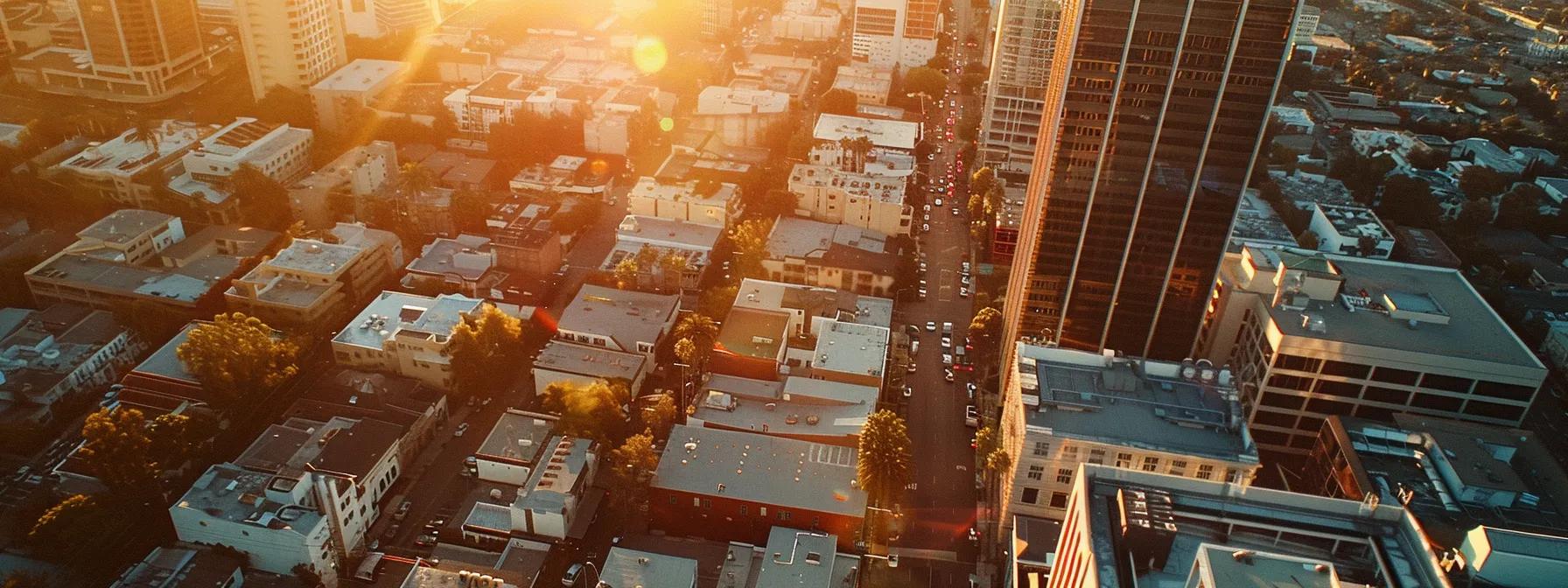
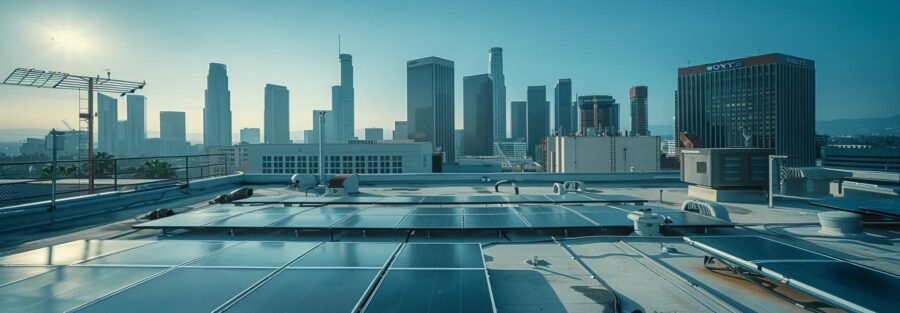
Los Angeles experiences a Mediterranean climate characterized by long, dry summers and short, wetter winters. Average summer highs often exceed 85°F, with UV indexes ranking among the nation’s highest. Day-night temperature fluctuations—sometimes more than 30°F—exert cyclical stress on roofing materials. Coastal fog and humidity rise in the mornings, then quickly give way to intense sunshine, creating condensation and drying cycles.
Seasonal Santa Ana winds gusting up to 60 mph can deposit debris, while winter rains concentrate moisture in low spots and seams. Although annual precipitation is modest (around 15 inches), episodic storms test waterproofing details. Wildfire smoke during drought years further accelerates chemical degradation of membrane surfaces.
Heat Damage and UV Degradation on Commercial Roofing Materials
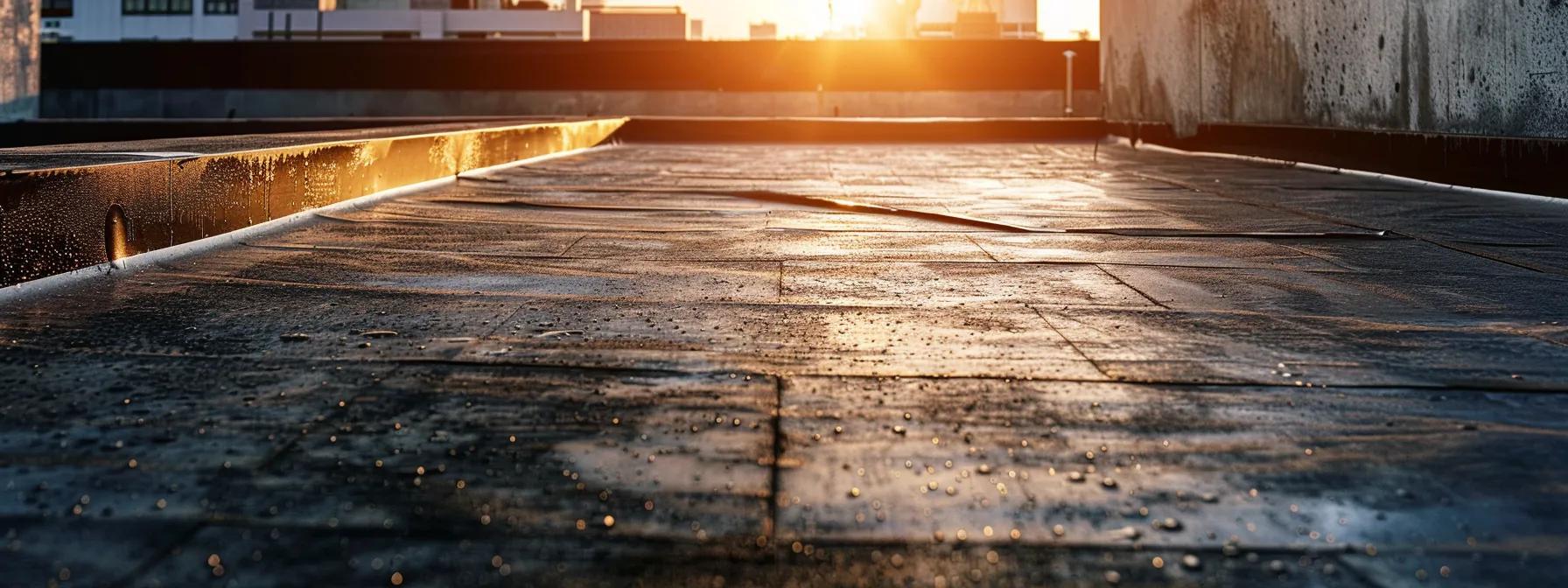
High temperatures and UV exposure are primary culprits in material deterioration. Under sustained heat, organic compounds in asphalt and modified bitumen oxidize, becoming brittle. UV photons break chemical bonds in membrane polymers, causing loss of tensile strength and flexibility.
Thermal expansion during daytime heat makes materials swell; as temperatures drop after sunset, contraction follows. This “thermal shock” induces micro-cracks in flashing, seams, and membranes. Repeated cycles eventually open gaps, allowing water intrusion.
UV Radiation and Material Breakdown
UV radiation initiates photo-oxidation in roofing polymers such as EPDM, TPO, and PVC. Surface granules on built-up asphalt roofs can erode, exposing bare substrate. Over time, UV damage manifests as:
-
Cracking and embrittlement in membrane sheets
-
Chalky white powdering on reflective coatings
-
Loss of adhesive strength in self-adhesive systems
Thermal Expansion and Contraction
Materials expand at different rates. For example, single-ply membranes like TPO swell more than underlying insulation boards. Without adequate expansion joints or slip sheets, this mismatch stresses fasteners and seam tapes. Accumulated stress spots appear as blisters or raised areas, compromising waterproofing integrity.
Common Roofing Materials vs. Heat Damage Susceptibility
|
Roofing Material
|
Heat Resistance
|
UV Stability
|
Common Failure Mode
|
|---|---|---|---|
|
EPDM (Rubber)
|
Moderate (150°F)
|
High
|
Chalk-backing, cracks
|
|
TPO Membrane
|
High (170°F)
|
Moderate
|
Seam splits, punctures
|
|
PVC Membrane
|
High (180°F)
|
High
|
Thermal wrinkling
|
|
Modified Bitumen
|
Moderate (160°F)
|
Low to Moderate
|
Granule loss, fractures
|
|
Built-Up Roofing
|
Low to Moderate
|
Low
|
Oxidation, blisters
|
Flat Roof Lifespan in Los Angeles
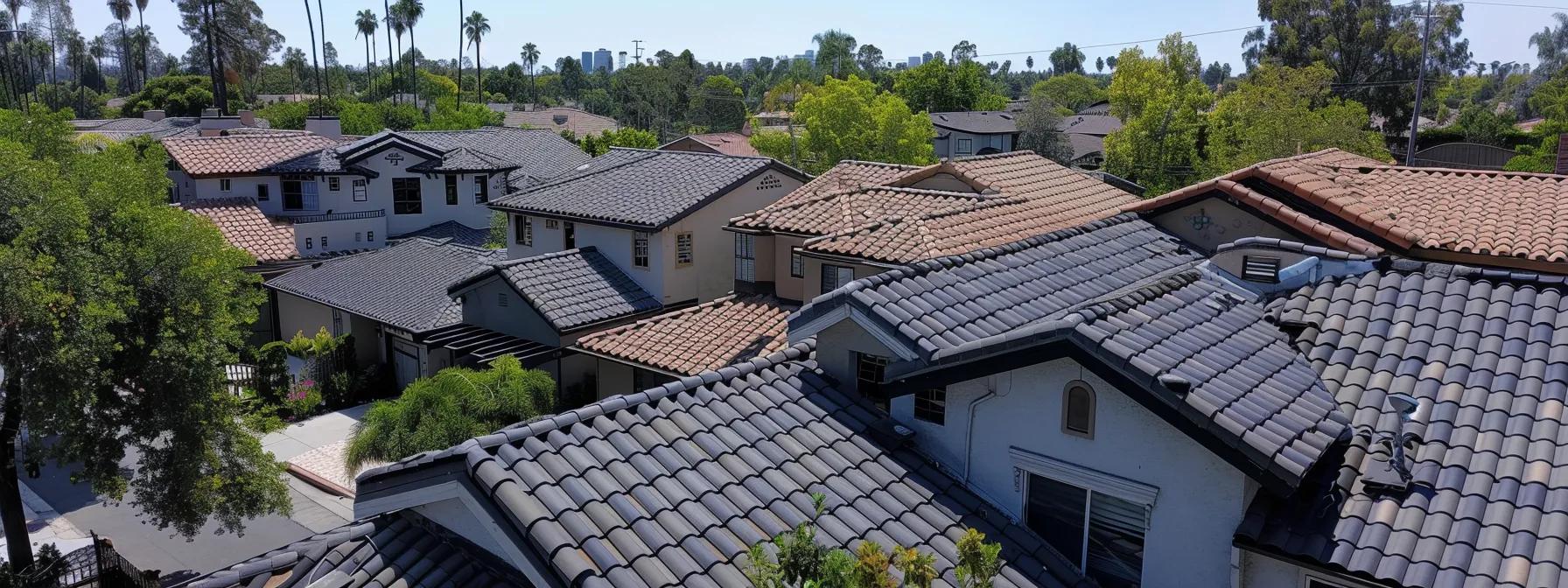
Flat roofs dominate Los Angeles commercial architecture thanks to their cost efficiency and ease of installation. Lifespan varies by system type, maintenance regimen, and climate stresses. Below is an overview of typical flat roof systems and their expected service lives in LA.
Material Types and Lifespans
-
Built-Up Roofing (BUR) Layers of asphalt and felt, capped with gravel. Lifespan: 20–30 years. Prone to granule erosion under UV and heat.
-
Modified Bitumen (MB) Asphalt modified with rubber or plastic polymers. Lifespan: 25–30 years. Offers better thermal shock resistance than BUR.
-
EPDM (Rubber Membrane) Single-ply synthetic rubber sheet. Lifespan: 20–25 years. Excellent UV resistance but can shrink over time.
-
TPO (Thermoplastic Olefin) Single-ply heat-welded seams. Lifespan: 25–30 years. High reflectivity reduces heat absorption.
-
PVC (Polyvinyl Chloride) Single-ply PVC sheet. Lifespan: 30–35 years. Chemically resistant but can wrinkle under extreme heat.
Maintenance Impacts on Lifespan
Regular inspections, seam repairs, and recoating can extend flat roof life by 5–10 years. Neglected roofs often fail well before material design life due to punctures, ponding water, and seam openings.
Flat Roof Systems and Maintenance Requirements
|
System
|
Expected Lifespan
|
Key Maintenance Tasks
|
Recoat Interval
|
|---|---|---|---|
|
BUR
|
20–30 years
|
Gravel redistribution, crack sealing
|
Not typical
|
|
Modified Bitumen
|
25–30 years
|
Flashing inspection, ply adhesion check
|
5–7 years
|
|
EPDM
|
20–25 years
|
Seam resealing, puncture patching
|
5 years
|
|
TPO
|
25–30 years
|
Weld seam inspection, membrane cleaning
|
7–10 years
|
|
PVC
|
30–35 years
|
Surface cleaning, seam integrity checks
|
10 years
|
Most property managers contract commercial roofing contractors Los Angeles to develop a tailored maintenance schedule that optimizes lifespan while controlling costs.
Weather-Related Risks Beyond Heat
While heat and UV are dominant forces, other climatic factors contribute to roof degradation in Los Angeles.
Rain and Moisture Intrusion
Despite low annual rainfall, roof decks can trap water in low-sloping zones, leading to ponding. Prolonged standing water accelerates membrane hydrolysis and adhesive failures. Without prompt drainage, moisture can migrate into insulation, reducing R-value and promoting mold growth.
Mid-season inspections often highlight seals around rooftop units and parapets as common leak points. Addressing these vulnerabilities through roof repair in Los Angeles, CA prevents small drips from escalating into structural damage.
Wind and Debris Impact
Santa Ana wind events carry dust, leaves, and small branches across rooftops. Wind uplift can pry up loose gravel on BUR systems and tear at metal flashings. Debris accumulation clogs drains and scuppers, exacerbating ponding issues.
Securing loose equipment, installing wind-rated fasteners, and clearing debris before wind season reduces uplift risk and water backup.
Wildfire Smoke and Particulate Deposition
During wildfire season, airborne soot and ash settle on rooftops. Particulates can adhere to reflective coatings, reducing their solar reflectance index (SRI) and increasing heat gain. Scheduled cleaning and recoating help maintain cool-roof performance.
Proactive Maintenance Strategies
A robust maintenance program is the best defense against climate-driven roof failures. Proactive measures ensure commercial roofs withstand Los Angeles weather extremes.
Regular Inspections and Roof Coatings
Quarterly inspections identify minor issues—loose fasteners, punctures, seam openings—before they escalate. Infrared scanning can detect moisture intrusion under the membrane. Applying reflective silicone or acrylic coatings every 5–10 years rejuvenates weathered surfaces and extends material life.
Cool Roof Technology and Reflective Coatings
Cool roof systems incorporate highly reflective pigments and infrared-reflective granules. They lower roof surface temperatures by 50–60°F compared to uncoated systems. Beyond energy savings, cooler roofs reduce thermal shock and slow polymer degradation.
Local jurisdictions enforce Los Angeles Title 24 cool roof mandates for new and replacement installations. Choosing ENERGY STAR®-rated coatings ensures compliance and maximizes efficiency.
Insulation and Ventilation Upgrades
Improving insulation R-value and installing roof–deck ventilation mitigates heat transfer into interior spaces. Ventilated roof assemblies maintain consistent deck temperatures, reducing expansion-contraction cycles. Enhanced insulation also lowers HVAC loads, delivering dual benefits of comfort and roof preservation.
Property owners seeking major upgrades frequently combine roof replacement in Los Angeles with insulation retrofits to secure both structural and energy performance gains.
Choosing the Right Commercial Roofing Partner
Selecting an experienced roofer is crucial for navigating LA’s unique climate challenges. A qualified contractor will evaluate building usage, roof slope, existing conditions, and budget to recommend optimal solutions.
When vetting service providers, property managers should consider:
-
Licensing, bonding, and insurance status
-
Track record in commercial flat roof systems
-
Familiarity with local building codes and Title 24 standards
-
Warranty offerings on labor and materials
-
Maintenance program support
Guidance such as Tips Before Hiring a Roofer in Los Angeles can streamline the selection process and ensure thorough vetting of credentials and references.
Conclusion and Service Offering
Los Angeles’ blend of intense sunlight, temperature swings, seasonal winds, and occasional downpours poses a complex set of stressors for commercial roofing systems. Understanding how UV radiation, thermal shock, moisture intrusion, and particulate deposition interact with roofing materials is the first step toward resilient roof management.
A strategic approach—combining regular inspections, reflective coatings, insulation improvements, and quality installations—extends roof service life, safeguards building integrity, and reduces lifecycle costs.
ECO Roffing LA offers comprehensive commercial roofing solutions tailored to Los Angeles’ climate. From preventive maintenance and repairs to full ECO Roffing LA reroofing projects, their expert team ensures that every roof is optimized for durability, energy efficiency, and compliance. To discuss a customized roof plan and schedule a consultation, contact ECO Roffing LA today.
Frequently Asked Questions
1. What is the average lifespan of a flat commercial roof in Los Angeles?
Flat roofs in Los Angeles typically last 20–30 years, depending on the system (BUR, modified bitumen, EPDM, TPO, PVC) and maintenance level.
2. How does UV radiation specifically damage roofing materials?
UV radiation breaks chemical bonds in polymers, causing embrittlement, granule loss on asphalt, and chalking on reflective coatings.
3. Are cool roof coatings required for commercial buildings in LA?
Yes. Los Angeles enforces Title 24 and local cool roof requirements mandating reflective coatings or materials on new and replacement roofs.
4. How often should commercial roofs be inspected in Southern California?
Quarterly inspections are recommended, with infrared scans annually, to detect early signs of damage and moisture intrusion.
5. Can improving roof insulation reduce maintenance needs?
Upgrading insulation and adding roof–deck ventilation stabilizes deck temperatures, minimizing thermal expansion cycles and extending material life.