
As a facility manager in Los Angeles, I’ve learned that the roof over your commercial property is more than an architectural detail—it’s your first line of defense against weather, energy loss, and safety hazards. Let me walk you through the most critical warning signs of commercial roof damage, explain what causes them, and show you how to act fast. By the end, you’ll know exactly when you need roof repair—and who to call to get the job done right.
Why Commercial Roofs Matter in Los Angeles
Your commercial roof does more than keep rain out. It:
-
Protects equipment, inventory, and employees
-
Insulates your building and reduces energy bills
-
Extends the lifespan of HVAC and lighting systems
Yet LA’s unique climate—blistering sun, sudden downpours, and fierce Santa Ana winds—puts extra stress on your roofing materials. Understanding how the Los Angeles Climate Affect on Commercial Roofs prepares you to spot damage early and avoid costly downtime.
Top Warning Signs of Commercial Roof Damage
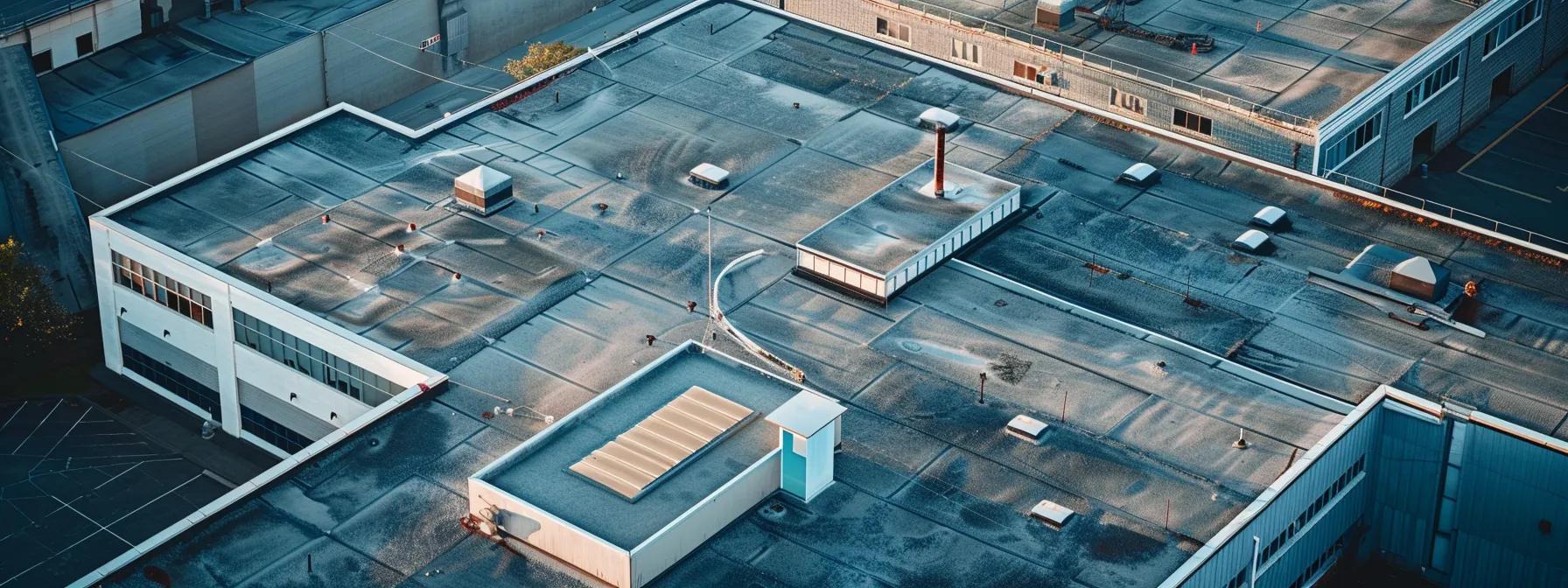
When you inspect your roof, keep an eye out for these red flags. Each one signals that it’s time to act.
1. Active Leaks and Water Stains
Water dripping from the ceiling or dark, discolored patches on tiles point to a breach. Even small drips can hide larger membrane tears. If you spot an interior drip, don’t wait—schedule roof repair in Los Angeles, CA immediately.
2. Ponding or Standing Water
Flat sections that hold water longer than 48 hours start to degrade. Ponding accelerates membrane breakdown and can lead to structural sagging. Regular inspections should highlight areas where drainage needs improvement.
3. Blisters, Bubbles, and Cracks
When moisture gets trapped under a membrane, it forms bubbles or blisters. Cracks can develop around these weak spots, allowing water to infiltrate. Blisters often form near flashing and penetrations.
4. Failed Flashing and Seams
Flashings seal joints around HVAC units, pipes, and roof edges. Look for gaps, rust, or loose metal. Seam separation—where two membrane sheets were heat-welded—also opens pathways for leaks.
5. Sagging Roof Deck
A visible dip or sag in the roof deck indicates waterlogged insulation or weakened decking. This isn’t just a cosmetic issue; it signals compromised structural support.
6. Excessive Granule Loss
On built-up or modified bitumen roofs, granules shield against UV rays. If gutters fill with dark grit, your roof’s protective layer is eroding, and the membrane beneath is vulnerable.
7. UV and Thermal Damage
In LA’s intense sun, membranes and coatings can become brittle, crack, or fade. Thermal cycling—daytime heat and nighttime cool-down—leads to shrinkage and splits along seams.
8. Debris and Punctures
Tools, equipment, or foot traffic can puncture single-ply membranes (TPO, EPDM, PVC). Even small holes let water seep in. Keep rooftop storage minimal and use walk pads.
9. Increased Energy Bills
A compromised roof loses insulating R-value. If your utility bills spike despite consistent usage, consider that your roof may be letting conditioned air escape.
10. Mold, Mildew, and Rot
Hidden leaks create moist conditions perfect for mold and mildew, which can spread into walls and ceilings. Fast action prevents health issues and structural rot.
Common Warning Signs vs. Recommended Actions
|
Warning Sign
|
Immediate Action
|
|---|---|
|
Active leaks
|
Call a roofing pro; locate and patch leak source
|
|
Ponding water
|
Clear drains; add tapered insulation or crickets
|
|
Blisters & bubbles
|
Cut out blister; patch membrane; inspect flashing
|
|
Failed flashings & seams
|
Re-secure or replace metal flashings and seam welds
|
|
Sagging deck
|
Remove water; assess decking; reinforce structural support
|
|
Granule loss
|
Recoat or replace membrane; consider reflective coatings
|
|
UV & thermal damage
|
Apply UV-resistant coating; monitor membrane flexibility
|
|
Debris punctures
|
Remove debris; patch holes; enforce rooftop safety zone
|
|
Rising energy costs
|
Inspect insulation; seal penetrations; upgrade membrane
|
|
Mold & mildew
|
Dry affected area; remediate mold; fix underlying leak
|
What Causes These Warning Signs?

Knowing the “why” helps prevent repeat issues. Here are the top culprits behind commercial roof damage in LA:
Material Wear and Tear
All membranes have a lifespan. TPO and PVC can become brittle over time. Built-up and modified bitumen can delaminate under thermal stress.
Poor Installation Practices
Improper seam welding, incorrect flashing details, or insufficient slope on a flat roof can leave gaps that lead to leaks.
Severe Weather Events
Santa Ana winds can lift and tear shingles or membranes. Heavy rainstorms and hail can crack or puncture surfaces.
Mechanical Damage
HVAC servicing, solar panel installation, or foot traffic without protective walk pads can tear membranes or loosen fasteners.
Maintenance Neglect
Skipping regular inspections allows minor issues to escalate. Ponding water, clogged drains, or small punctures worsen if unchecked.
Roofing Systems & Maintenance Frequency
|
Roofing System
|
Typical Lifespan
|
Recommended Inspection Interval
|
Maintenance Focus
|
|---|---|---|---|
|
TPO (Thermoplastic)
|
15–20 years
|
Biannual
|
Seam welds, membrane tension, UV damage
|
|
EPDM (Rubber)
|
20–30 years
|
Annual
|
Seams, flashing adhesion, debris removal
|
|
Built-Up Roofing (BUR)
|
20–25 years
|
Annual
|
Bitumen layers, gravel surfacing, flashings
|
|
Modified Bitumen
|
15–20 years
|
Annual
|
Torch seams, granule loss, ponding zones
|
|
PVC (Polyvinyl)
|
20–25 years
|
Biannual
|
Seams, punctures, reflective coatings
|
Steps to Take When You Spot Damage
Spotting damage is only half the battle. Here’s how to respond:
-
Document Everything Photograph leaks, blisters, or sagging areas. Note the date, location, and weather conditions.
-
Ensure Safety Avoid walking on damaged sections. Use caution signs and restrict rooftop access until repairs are done.
-
Clear Debris and Drains Remove leaves, tools, and trash. Ensure scuppers, downspouts, and gutters are unblocked to prevent further ponding.
-
Call Experts Reach out to commercial roofing contractors Los Angeles to schedule a professional assessment.
-
Plan Preventative Maintenance Based on the contractor’s recommendations, set up a program. Learn the Best Time for Commercial Roof Inspections in LA to catch issues early.
How to Choose the Right Roofing Contractor
Finding a reliable partner makes all the difference. Look for:
-
State licensing and commercial liability insurance
-
Proven expertise with your roof type (TPO, EPDM, BUR)
-
Strong local references and project portfolio
-
Clear warranties on materials and workmanship
For more guidance, check out Tips Before Hiring a Roofer in Los Angeles—it’ll help you vet bids and avoid common pitfalls.
Flat Roof Leaks: A Special Concern
Flat roofs dominate LA’s commercial landscape. Their low slope means water doesn’t drain off as quickly.
Common Causes of Flat Roof Leaks
-
Improper slope or pitch (needs at least ¼” per foot)
-
Clogged roof drains and scuppers
-
Membrane punctures by foot traffic or equipment
-
Failed seams and flashings
When you notice flat roof leaks LA, address them promptly. Even a small leak can lead to extensive water damage beneath the membrane.
Preventative Maintenance: Your Secret Weapon
Proactive care extends your roof’s life and saves you money.
-
Schedule biannual or annual inspections depending on system type.
-
Clean drains after every major storm.
-
Reseal flashings and penetrations every 2–3 years.
-
Apply reflective coatings to reduce UV stress and cut energy bills.
-
Keep equipment maintenance activities off-damage areas.
A strong maintenance plan means fewer emergency repairs and steadier operating costs.
FAQs
1. How often should I schedule commercial roof inspections?
For most systems, once a year is the minimum. High-sun exposure and flat-roof membranes benefit from biannual check-ups to catch UV damage and ponding early.
2. Can I repair a commercial roof myself?
Minor patching may be DIY-friendly, but properly diagnosing leaks and flashing failures requires professional training. Incorrect repairs can void warranties.
3. What’s the difference between a roof leak and ponding water?
A roof leak is water that penetrates the membrane and enters the building. Ponding water is standing on the surface and, over time, deteriorates the membrane until a leak forms.
4. Do commercial roof warranties cover weather damage?
Warranties vary. Manufacturer warranties often cover material defects but exclude damage from severe weather or improper installation. Always review terms carefully.
5. How much does commercial roof repair cost in Los Angeles?
Costs depend on roof size, system type, and damage extent. Minor patches might run a few hundred dollars, whereas large-scale membrane replacements or flashing overhauls can reach tens of thousands.
Conclusion
Your commercial roof is too important to ignore. By watching for warning signs—active leaks, ponding water, blisters, flashings failures, and more—you’ll protect your building and budget. When in doubt, partner with ECO Roffing LA. We specialize in diagnosing commercial roof problems LA businesses face and delivering reliable, long-lasting solutions. Don’t wait until a small drip becomes a major disaster—reach out today and let us safeguard your investment.