Maintaining a commercial roof in Los Angeles demands more than occasional checks. With year-round sunshine, sudden coastal storms and temperature swings, your roof is under constant stress. A proactive inspection schedule safeguards your building envelope, prevents leaks, and extends your roof’s life expectancy. In this guide, I’ll walk you through seasonal timing, warning signs, material considerations and how to engage the right professionals for a thorough roof inspection Los Angeles property owners trust.
Why Regular Roof Inspections Matter for Los Angeles Businesses
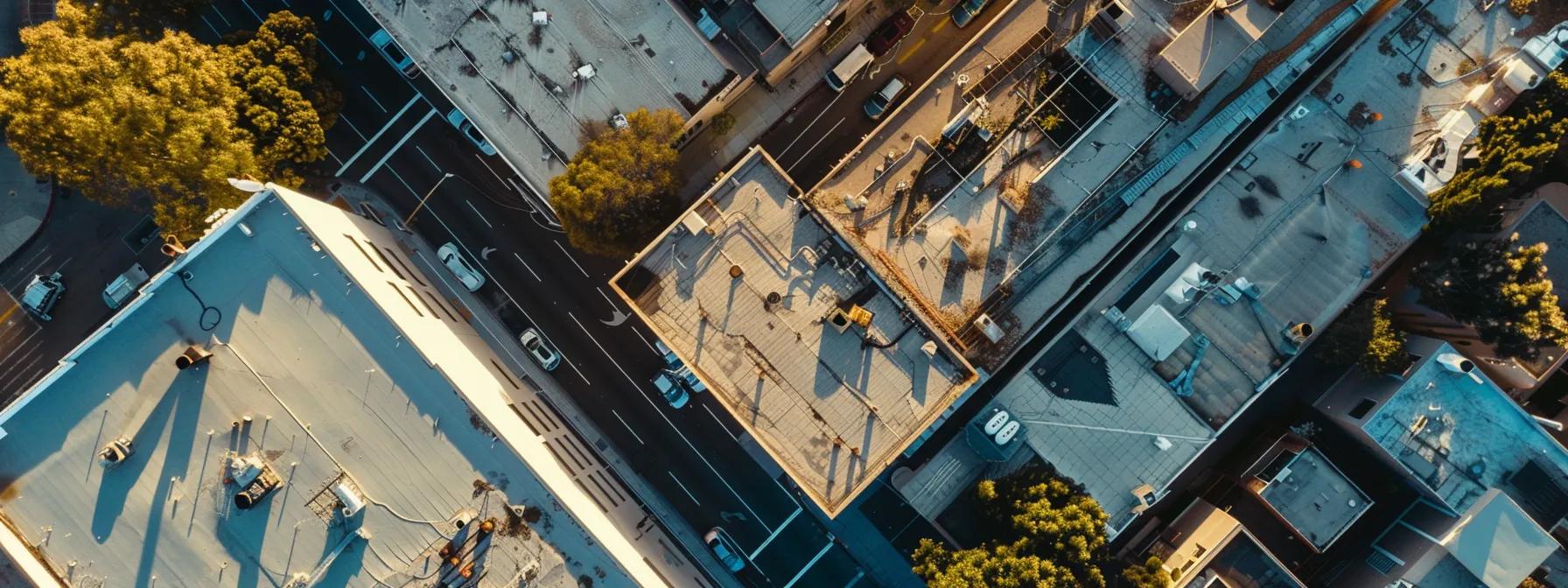
Routine commercial roof evaluation catches wear before it becomes failure. UV radiation in Southern California degrades polymer membranes, while heat-cool cycles cause thermal expansion and contraction. Water ponding after rare but intense downpours can invade seams. A detailed inspection helps preserve your building’s structural integrity, ensures code compliance and supports energy efficiency by spotting compromised insulation or reflective coatings.
Seasonal Guidelines for Commercial Roof Evaluation
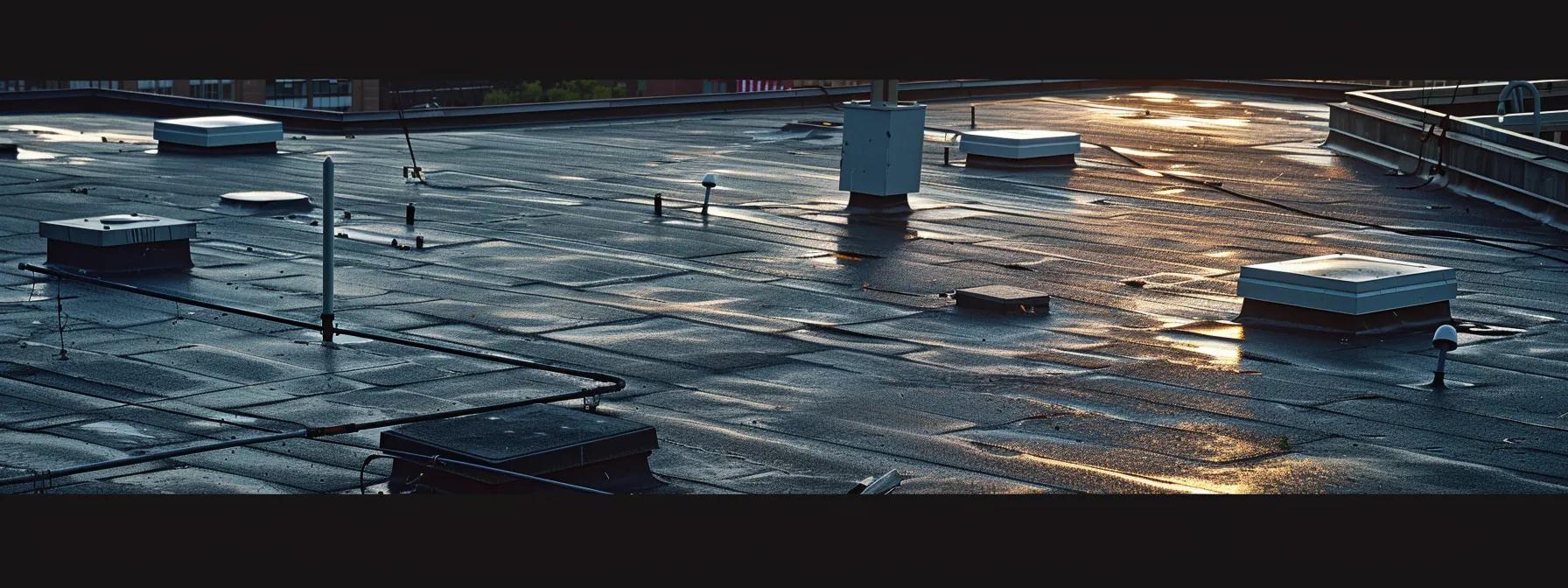
Aligning inspections with seasonal shifts optimizes preventive maintenance. Southern California’s climate zones—from coastal microclimates to inland valleys—require nuanced timing. Below is a general framework tailored for flat, low-slope and single-ply membrane roofs common in LA.
Spring Inspections: Mitigating Winter’s Aftermath
Spring check-ups should follow winter rains and occasional storms. Inspect drains, scuppers and gutters for debris buildup. Examine membrane seams, flashings and penetration details for cracks or lifting. Early spring evaluations let you correct leaks before the rainy season subsides, reducing insurance claim denials due to neglect.
Summer Checks: UV and Heat-Related Stress
High summer temperatures accelerate membrane aging. Look for blistering, chalking or discoloration on TPO, PVC or EPDM surfaces. Inspect expansion joints and cover boards under extreme heat. Longer daylight hours offer more thorough visual inspections and allow repairs to cure properly before fall arrives.
Fall Preparations: Readying for Cool Weather
In early fall, clear accumulated debris from roof decks and parapets. Confirm rooftop equipment brackets and sealants remain intact after peak heat. Check insulation levels before evening temperatures drop. A fall inspection addresses heat-induced wear and prepares your roof for any unusual winter weather.
Winter Assessments: Limited But Crucial
Although LA winters are mild, occasional cold snaps can create ice formation in poorly drained areas. A winter inspection focuses on ponding water hazards, freeze-thaw cracks and the roof’s overall drainage capacity. If possible, schedule any needed repairs before rain events to avoid water intrusion.
Seasonal Roof Inspection Benefits
|
Season
|
Primary Focus
|
Key Benefits
|
|---|---|---|
|
Spring
|
Drainage, membrane seams
|
Leak prevention, post-storm corrections
|
|
Summer
|
UV damage, expansion joints
|
Material longevity, heat fatigue control
|
|
Fall
|
Debris removal, sealant integrity
|
Ready roof for cooler weather
|
|
Winter
|
Ponding water, freeze-thaw monitoring
|
Prevent winter-related membrane cracks
|
Signs You Need a Commercial Roof Evaluation Sooner
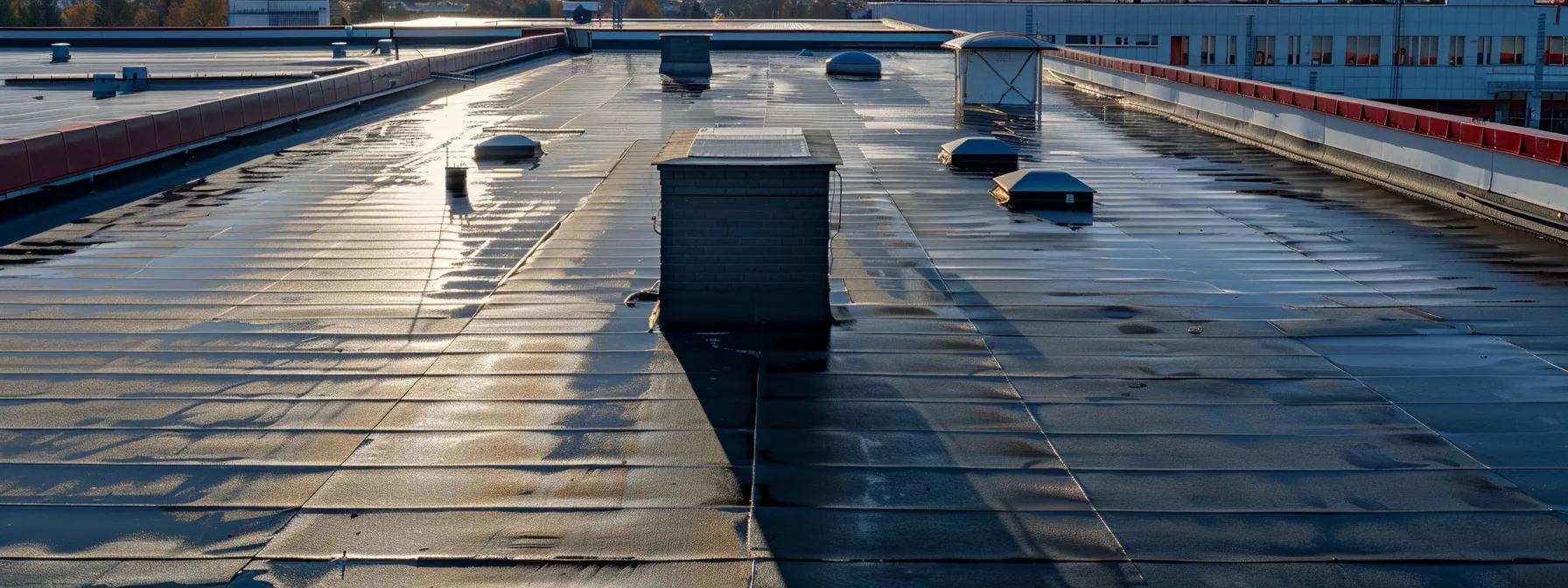
Waiting for scheduled inspections could let problems escalate. Here are critical warning signs demanding immediate attention:
-
Age and Life Expectancy: Most commercial roofs last 20–30 years. Life expectancy varies by material; nearing that range warrants an urgent evaluation.
-
Water Stains & Interior Damage: Brown patches on ceilings or wall discoloration signal active leaks, risking mold growth.
-
Sagging Decks or Membranes: Structural sagging suggests trapped moisture or decking failure.
-
Granule Loss or Chalky Residue: Excess granules in drains indicate surface erosion on shingles or coatings.
-
Storm Impact: After high winds or hail, hidden membrane punctures or torn flashings can go unnoticed.
Warning Signs & Recommended Actions
|
Warning Sign
|
Action Timeline
|
|---|---|
|
Roof age ≥25 years
|
Immediate evaluation
|
|
Visible interior water stains
|
Within 1 week
|
|
Membrane blistering or sagging
|
Within 2 days
|
|
Post-storm damage
|
After every severe storm
|
|
Debris-clogged drains
|
Monthly during rainy season
|
When you detect any of these signs, bring in a professional commercial roof evaluation team. Prompt action reduces repair costs and prevents interior downtime.
Specialized Factors for LA Commercial Roofs
Los Angeles buildings face unique roof threats: salt air near the coast, intense UV on downtown high-rises and airborne pollutants near freeways. Material performance varies:
-
TPO & PVC: Reflective, energy efficient, but seams can debond under thermal cycling.
-
EPDM: Durable but vulnerable to punctures and seam degradation.
-
Metal Systems: Prone to corrosion in coastal zones without proper coatings.
-
Built-Up Roofs: Gravel-surfaced layers resist foot traffic but need regular gravel distribution.
Each system demands tailored inspection criteria. Consulting specialists familiar with the Los Angeles Climate Affect on Commercial Roofs ensures your evaluation covers all risk vectors.
Optimal Roof Maintenance Timing and Frequency
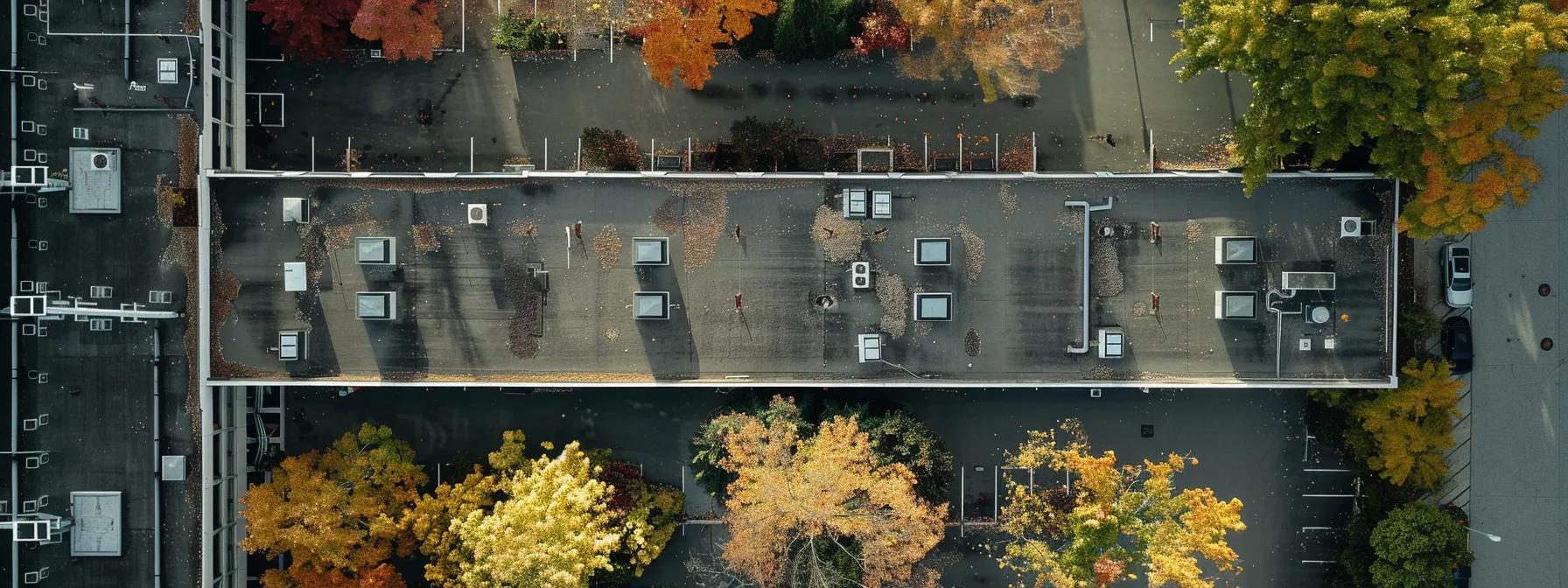
Industry standards recommend inspections at least twice a year—spring and fall—but LA’s dynamic weather can justify more frequent checks. Here’s a basic framework:
-
Biannual Inspections: Core schedule in April and October for major seasonal shifts.
-
Post-Storm Walk-Throughs: After any wind event exceeding 40 mph or heavy rain.
-
After Installation or Warranty Work: Verify new membranes or coatings.
-
Equipment Servicing: Whenever HVAC, solar or rooftop units require access to avoid incidental damage.
A proactive roof maintenance timing plan paired with a written report and photographic documentation keeps insurance providers satisfied and your warranty valid.
How to Choose Commercial Roofing Contractors in Los Angeles
Selecting the right provider is as crucial as inspection timing. Look for:
-
Licensing, bonding and insurance.
-
Specialized experience with your roof system.
-
Local references and case studies.
-
Transparent cost estimates and warranties.
Engage commercial roofing contractors Los Angeles property managers trust for thorough evaluations. A vetted team offers code-compliant recommendations, aligns with energy–efficiency goals and provides a clear inspection protocol. For expert advice, check out our Tips Before Hiring a Roofer in Los Angeles.
Next Steps: From Inspection to Repair or Replacement
An inspection report outlines necessary repairs or when replacement is more cost-effective. Minor membrane tears and sealant failures often call for targeted repairs; for extensive damage or age-related degradation, full replacement may be prudent. When you’re ready, our team can guide you through roof repair in Los Angeles, CA or discuss options for roof replacement in Los Angeles that suit your budget and timeline.
FAQs
1. How often should I schedule a commercial roof inspection in LA?
Aim for biannual inspections (spring and fall), plus follow-ups after major storms or equipment service.
2. What’s the best season for a commercial roof evaluation?
Late spring and early fall are optimal—temperatures are moderate, and you can catch winter or summer-related damage.
3. Can I perform a DIY roof inspection?
While visual checks can spot obvious issues, only qualified contractors can evaluate membrane seams, flashings and structural components safely and accurately.
4. How long does a commercial roof inspection take?
Most evaluations take 1–3 hours, depending on roof size, system complexity and necessary invasive testing.
5. Will my insurance cover routine inspections?
Inspections themselves are typically owner’s expense, but regular documentation strengthens coverage for storm-related claims and avoids denials due to maintenance neglect.
Conclusion
Scheduling your commercial roof inspection at the right intervals, recognizing warning signs and partnering with experienced commercial roofing contractors Los Angeles ensures your business stays protected from leaks, premature failures and costly emergency repairs. Whether you need a simple preventative check, post-storm evaluation or guidance on repair versus replacement, rely on professionals who understand LA’s climate nuances and code requirements.
When it’s time for your next inspection or comprehensive evaluation, trust ECO Roffing LA for expert service, transparent reporting and tailored maintenance plans that extend the life of your commercial roof and safeguard your investment.