Commercial property owners in Los Angeles face unique challenges when selecting the right roofing system. Intense UV exposure, occasional heavy rain, and Title 24 energy regulations drive demand for durable, energy-efficient solutions. This guide explores the most popular commercial roofing materials and systems in the LA market.
Factors Influencing Roof Selection in Los Angeles
Los Angeles’s Mediterranean climate—with scorching summers and mild winters—demands roofing systems that resist UV degradation, ponding water, and thermal expansion. Cost, maintenance, code compliance (Title 24), and long-term energy savings also shape material choices. Building owners frequently consult commercial roofing contractors Los Angeles for expert advice on system performance and warranties.
What is Thermoplastic Polyolefin (TPO) Roofing?
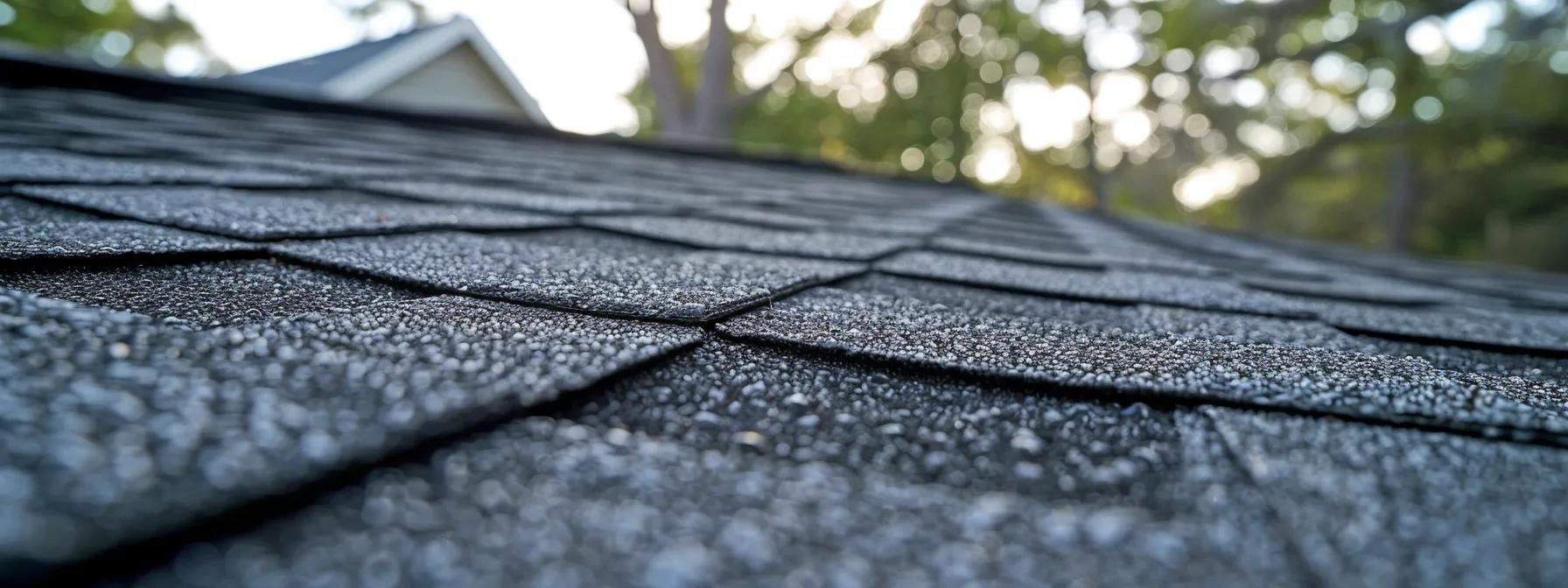
TPO is a single-ply membrane composed of polypropylene and ethylene-propylene rubber. Bright white formulations reflect solar heat, helping reduce HVAC loads. Rapid, heat-welded seams form a monolithic, watertight barrier.
Benefits
-
Energy efficiency: High solar reflectance lowers cooling costs.
-
Seam integrity: Heat-welded joins outperform adhesive-taped seams.
-
Chemical resistance: Suitable for restaurants and industrial sites.
Considerations
-
Proper installation is critical—poor welding can lead to leaks.
-
Membrane thickness (45–80 mil) affects puncture resistance.
|
TPO Feature
|
Specification
|
|---|---|
|
Membrane Thickness
|
45–80 mil
|
|
Reflectivity
|
Up to 86%
|
|
Warranty
|
10–30 years (NDL)
|
Frequent inspections and proactive repairs extend TPO’s service life. Many LA businesses schedule semi-annual checks by qualified technicians to avoid ponding and seam failures.
What is Polyvinyl Chloride (PVC) Roofing?
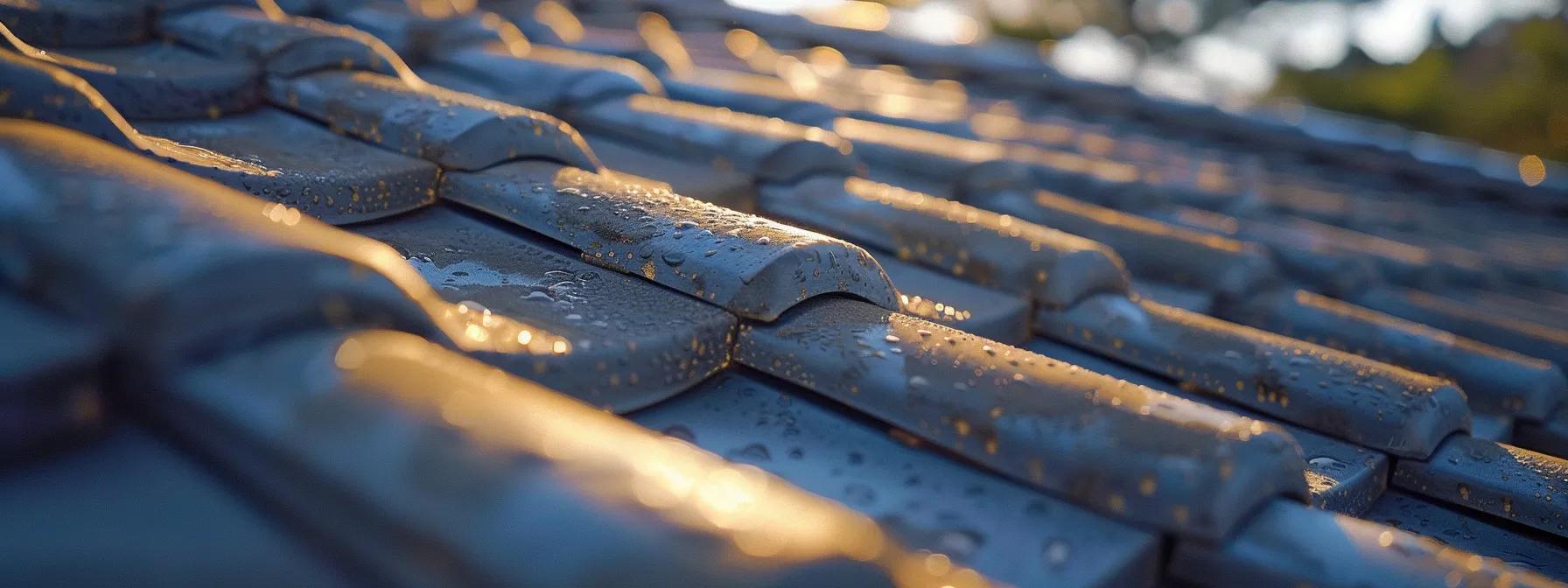
PVC is another single-ply membrane prized for chemical and fire resistance. Rigid, high-performance formulations handle grease and oils, making PVC popular for commercial kitchens and medical facilities.
Benefits
-
Fire-retardant additives enhance safety ratings.
-
Welded seams resist uplifts in high-wind zones.
-
Long lifespan (25–30 years) with proper maintenance.
Considerations
-
Higher upfront cost than TPO or EPDM.
-
PVC recycling options vary by manufacturer.
PVC systems often pair with rigid insulation boards to boost R-value, improving interior comfort and meeting the California Building Energy Efficiency Standards.
What is Ethylene Propylene Diene Monomer (EPDM) Roofing?
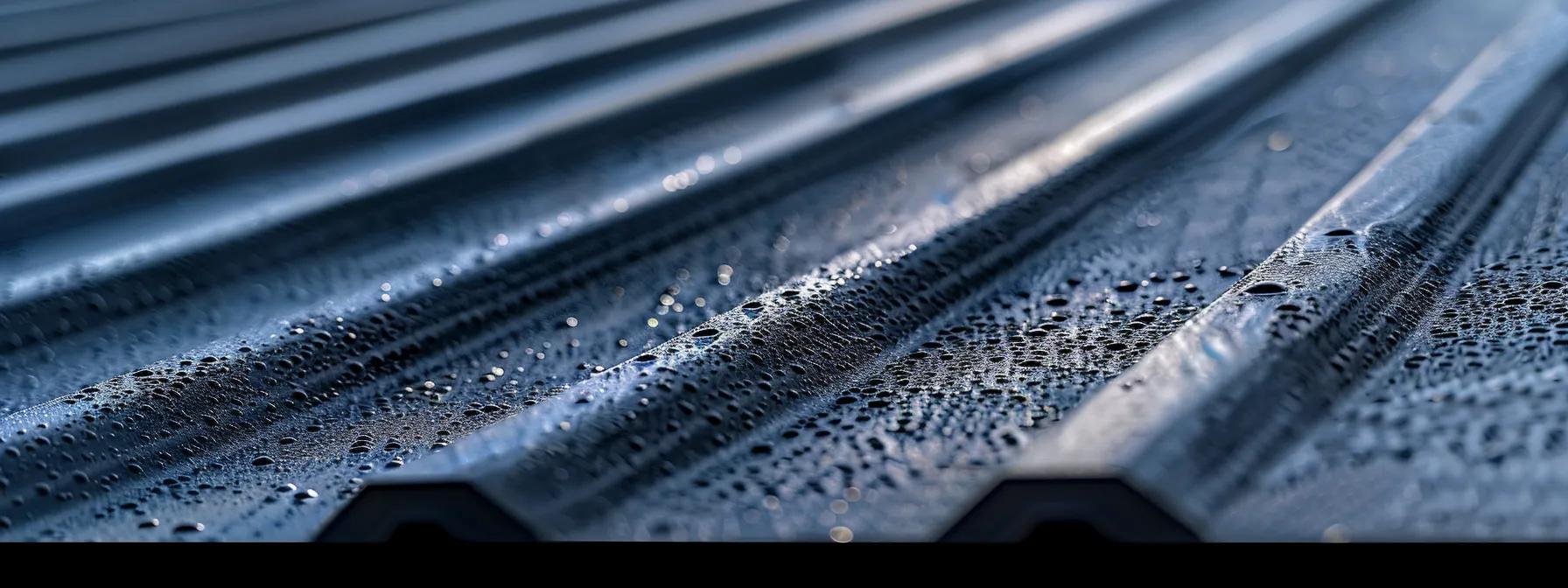
EPDM is a black synthetic rubber membrane. Its elasticity absorbs building movements and thermal cycling, reducing seam stresses. EPDM remains cost-effective with low life-cycle expenses.
Benefits
-
Excellent tensile strength and elasticity.
-
Proven UV and ozone resistance.
-
Affordable installation on low-slope roofs.
Considerations
-
Dark surface absorbs heat—additional insulation or cool coatings may be required.
-
Adhesive seams less robust than welded alternatives.
Property managers bundle EPDM with elastomeric roof coatings to gain reflectivity and extend membrane life up to 35–40 years.
What is Modified Bitumen Roofing?
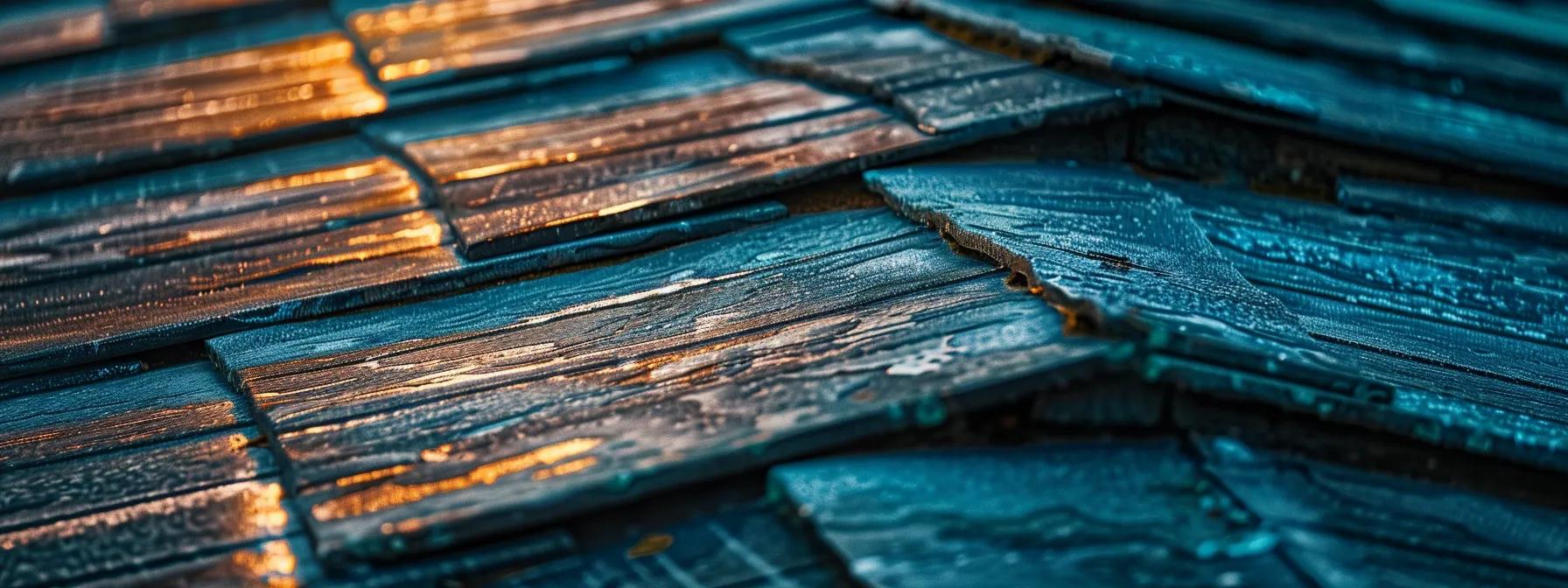
Modified bitumen combines asphalt with polymer reinforcements (SBS or APP) to form multi-layer sheets. Installation methods include torch-down, cold adhesive, and self-adhesive applications.
Benefits
-
Multi-layer strength resists foot traffic and punctures.
-
Torch-down systems form seamless, flexible membranes.
-
Can be coated with reflective acrylics for energy savings.
Considerations
-
Torch-down installation requires skilled crews and fire watch protocols.
-
Heavier weight demands sturdy roof decks.
Owners often upgrade to “cool” modified bitumen by adding reflective granules or liquid coatings, ensuring compliance with Los Angeles Climate Affect on Commercial Roofs studies.
What is Metal Roofing Systems?
Standing-seam and exposed-fastener metal panels (steel or aluminum) are gaining traction in LA commercial construction. High recyclability and fire resistance position metal as an eco-friendly choice.
Benefits
-
40–70 year lifespan with minimal maintenance.
-
Exceptional solar reflectivity and thermal emissivity.
-
Recyclable at end of life.
Considerations
-
Higher material and installation costs.
-
Panel fasteners and flashings must be detailed to prevent leaks.
Integration of insulated metal panels (IMPs) further improves R-value and reduces condensation risk.
What is Built-Up Roofing (BUR) Systems?
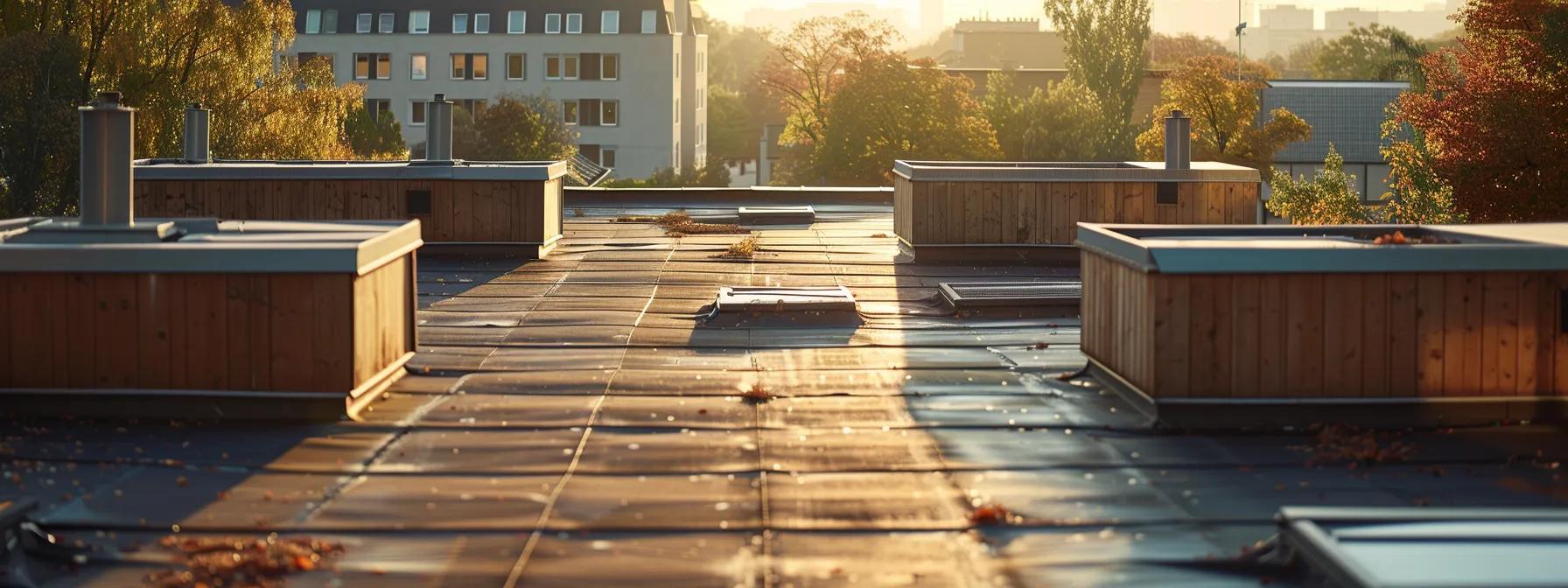
BUR—also known as “tar and gravel”—consists of alternating layers of bitumen and reinforcing felts, finished with aggregate. Proven for decades, BUR offers heavy-duty protection on large, flat roofs.
Benefits
-
Redundant layers provide exceptional waterproofing.
-
Aggregate surfacing shields felts from UV damage.
-
Suitable for roof decks with frequent traffic.
Considerations
-
Heavier system demands robust structural support.
-
Longer installation time and higher labor costs.
Maintenance teams usually inspect flashings and flood-test BUR patches yearly to detect leaks early.
Comparative Table: Key System Metrics
|
System
|
Typical Lifespan
|
Reflectivity
|
Installation Cost
|
Low-Slope Suitability
|
|---|---|---|---|---|
|
TPO
|
20–30 years
|
High
|
Moderate
|
Excellent
|
|
PVC
|
25–30 years
|
High
|
High
|
Excellent
|
|
EPDM
|
20–25 years
|
Low (coated)
|
Low–Moderate
|
Excellent
|
|
Mod. Bitumen
|
20–30 years
|
Moderate
|
Moderate–High
|
Excellent
|
|
Metal
|
40–70 years
|
High
|
High
|
Good
|
|
BUR
|
20–30 years
|
Low (aggregate)
|
Moderate–High
|
Excellent
|
Choosing the Right Commercial Roofing Material
Decision factors include building occupancy, budget, energy goals, and maintenance capabilities. Consulting a specialist early can align roof selection with long-term ROI. Many commercial property managers begin research by reviewing roof replacement in Los Angeles case studies and cost analyses.
Installation Best Practices
-
Pre-installation roof deck inspections to confirm structural integrity.
-
Proper insulation and vapor barriers to control condensation.
-
Certified crews for welding, torch-down, or membrane adhesion.
-
Quality control via flood tests and infrared thermography.
Before contracting, stakeholders review Tips Before Hiring a Roofer in Los Angeles to safeguard project timelines and warranties.
Maintenance and Lifespan Considerations
Routine roof inspections every six months can identify membrane blisters, seam failures, or clogged drains. Timely roof repair in Los Angeles, CA prevents minor issues from escalating into full replacements. Regular maintenance often includes:
-
Debris removal and drain clearing.
-
Flashing and penetration seal checks.
-
Application of elastomeric coatings on single-ply membranes.
Conclusion
Los Angeles commercial roofing demands systems that withstand intense sun, occasional storms, and rigorous energy standards. TPO, PVC, EPDM, modified bitumen, metal, and BUR each offer unique advantages. Selecting the optimal system depends on budget, building use, and long-term performance goals. For expert installation and tailored solutions, contact ECO Roffing LA—Los Angeles’s trusted partner in commercial roofing excellence.
Frequently Asked Questions
1. What makes TPO roofing popular in Los Angeles?
TPO’s white, reflective membrane reduces cooling costs, complies with Title 24, and offers heat-welded seam durability on low-slope roofs.
2. How long does a modified bitumen roof last in Southern California?
With proper maintenance and reflective coatings, modified bitumen can perform 20–30 years on flat commercial roofs.
3. When is EPDM roofing recommended over PVC?
EPDM is often chosen for its lower cost and elasticity on mild-climate, low-slope roofs. PVC is preferred where chemical and fire resistance are critical.
4. Can existing BUR roofs be coated instead of replaced?
Yes. Elastomeric or silicone coatings can seal aggregate surfaces, extend BUR life by 10–15 years, and enhance reflectivity.
5. How do installation costs compare between metal and single-ply systems?
Metal roofing has higher material and labor costs but offers 40–70 year lifespans. Single-ply membranes (TPO, PVC, EPDM) have moderate costs with 20–30 year warranties.